All-Inclusive Landscape Maintenance Services for a Lush, Healthy Outdoor Space
Thorough grounds maintenance services play an essential role in maintaining lush outdoor spaces. These services integrate key elements like soil health, irrigation, and pest control. By focusing on these aspects, landscapes can thrive throughout the seasons. However, understanding the specific techniques and seasonal preparations required is important for achieving lasting results. Exploring these elements further reveals the strategies that can transform any garden into a verdant and inviting haven.
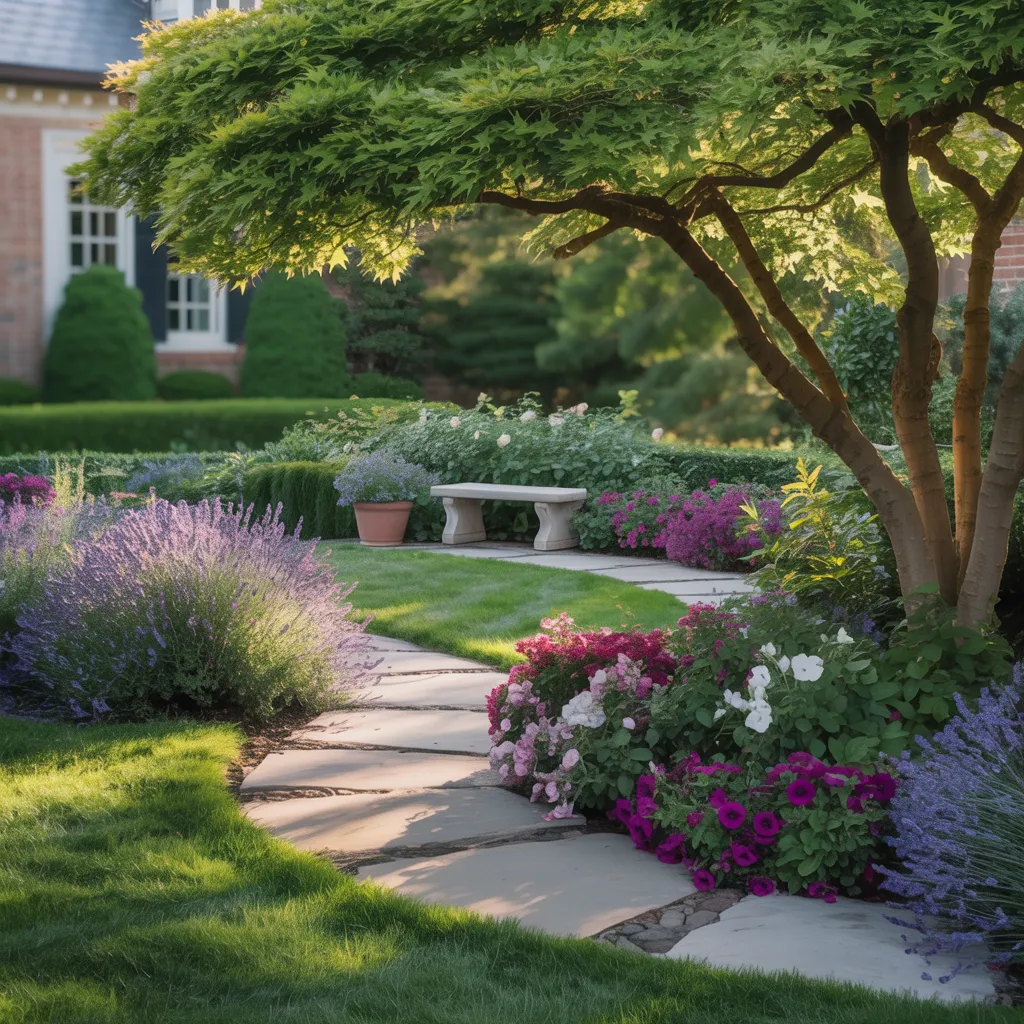
The Significance of Soil Health in Landscape Maintenance
Soil health acts as the basis for efficient landscape maintenance, impacting plant growth and ecosystem balance. Healthy soil is rich in organic matter, nutrients, and beneficial microorganisms, confirming that plants obtain the important elements necessary for excellent development. This nutrient-abundant environment fosters sturdy root systems, increases water retention, and advances biodiversity, forming a thriving ecosystem.
Routine ground analysis is crucial for detecting nutrient deficiencies and imbalances. This information allows landscape maintenance professionals to apply tailored amendments, such as compost or plant nutrients, to restore soil health. Additionally, techniques like mulching and protective refer now planting can prevent erosion and improve soil structure.
In addition, sustaining soil pH within an ideal range is required for nutrient availability. By focusing on soil health, landscape maintenance services can establish resilient, sustainable outdoor spaces that not only support lush plant life but also boost the overall ecological balance of the environment.
What's the Most Effective Way to Water Your Garden Properly?
Effective garden watering is essential for encouraging healthy plant growth and preserving water resources. To attain ideal outcomes, gardeners should consider several techniques. Drip watering systems deliver water directly to the root systems, reducing evaporation and water loss. This approach is particularly efficient for vegetable gardens and flower beds.
Sprinkler systems, whether stationary or oscillating, deliver wider coverage and are appropriate for bigger areas. Timers can control watering schedules, ensuring steady moisture without excessive watering. Additionally, adding mulch around plants helps keeping soil moisture, decreasing the frequency of watering.
Tracking soil moisture is imperative; gardeners can use moisture meters to determine when watering is vital. Early morning is the optimal time to apply water, as it allows plants to take in water before the intensity of the day. By using these approaches, gardeners can maintain a lush, healthy garden while using water resources efficiently.
Pest Control Strategies for Efficient Landscape Upkeep
Implementing strong pest control measures is key for maintaining a healthy landscape. Effective pest management commences with regular monitoring to spot potential infestations early. Landscape professionals often utilize integrated pest management (IPM) techniques, which use biological, cultural, and mechanical methods to minimize chemical use. This approach encourages the use of beneficial insects like ladybugs and lacewings, which naturally control pest populations.
Additionally, appropriate plant choice and positioning can improve resilience to insects. Indigenous species, for instance, are typically more hardy and attract beneficial wildlife. Routine upkeep methods, such as trimming and clearing waste, also help reduce insect breeding grounds. When needed, focused pest control treatments can be utilized, concentrating on the particular insect and reducing impact on non-target species. By implementing these strategies, outdoor care professionals can create a thriving outdoor space, guaranteeing plants remain healthy and vibrant while successfully controlling insect numbers.
What's the Right Way to Prepare Your Yard for Every Season?
Organizing a landscape for each season requires mindful consideration and planning. In spring, it is vital to assess plant vitality and begin applying fertilizer, adding mulch, and trimming to encourage growth. Annual flowers can be introduced for beauty and color.
As summer approaches, regular watering and pest control become essential. Turf maintenance, such as mowing and aeration, ensures a vibrant appearance.
In autumn, attention shifts to removing leaves and readying plants for dormancy. Dividing perennials and planting bulbs for spring flowers are effective approaches during this time.
Winter readiness emphasizes safeguarding fragile vegetation from frost and snow. Adding mulch layer helps insulate roots, while pruning certain species can avoid harm from ice.
Elevate Your Outdoor Aesthetics With Professional Help
Improving a outdoor space can greatly enhance curb appeal, and enlisting expert assistance can make all the impact. Professionals possess the expertise to identify specific needs and distinctive features of a property. They can develop tailored designs that not only elevate aesthetics but also ensure ecological balance.
Experienced landscape designers leverage premium supplies and advanced techniques, generating a refined appearance that DIY methods often fall short of. They are skilled in selecting the right plants, putting in efficient watering solutions, and establishing hardscapes that blend with the overall design.
Moreover, ongoing maintenance services offered by professionals keep landscapes lively throughout the seasons. This consistent care avoids overgrowth and promises that every element is kept in excellent condition. Ultimately, investing in professional landscaping services not only improves curb appeal but also raises property value, making it a smart choice for homeowners seeking to upgrade their outdoor spaces.

Frequently Commonly Posed Questions
What Schedule Should I Establish to Cut My Lawn for Ideal Health?
For optimal lawn health, it is generally recommended to mow once a week during the active growth period. Adjust mowing schedule based on growth rate, weather conditions, and grass variety to maintain a lush, thriving lawn.
Which Plants Perform Best for Inviting Pollinators?
Butterflies and bees are attracted to indigenous flowering plants like coneflowers, milkweed, and black-eyed Susans. Additionally, plants such as lavender and mint can enhance pollinator activity, creating a lively, advantageous ecosystem in gardens.
How Can I Improve My Lawn's Water Drainage?
To enhance lawn drainage, one can loosen the earth, incorporate natural materials, install drainage systems, and ensure proper grading. Regular maintenance and monitoring will further enhance water flow, promoting a more vibrant lawn environment.
What Indicators Show Ground Compression?
Evidence of soil compaction features inadequate drainage, water accumulation, slower plant development, apparent breaks in the soil surface, and problems driving a garden fork or spade. Well-developed soil should fragment easily and facilitate root growth.
How Do I Select the Right Mulch for My Garden?
Selecting the appropriate ground cover requires evaluating plant types, climate, and aesthetic preferences. Organic mulches enhance soil health, while inorganic options provide durability. Evaluating these factors ensures ideal benefits for garden growth and maintenance.
Comments on “Full-Service Landscaping Experts for Every Outdoor Improvement Project”